Our Game-Making Blueprint
A transparent look at how we transform abstract ideas into playable, polished experiences. This is our process, shared openly for indie founders, lead designers, and technical artists who need a reliable roadmap.
Get Our Process Guide
No spam. Just one PDF with our diagrams.
The Blueprint: From Concept to Playable Prototype
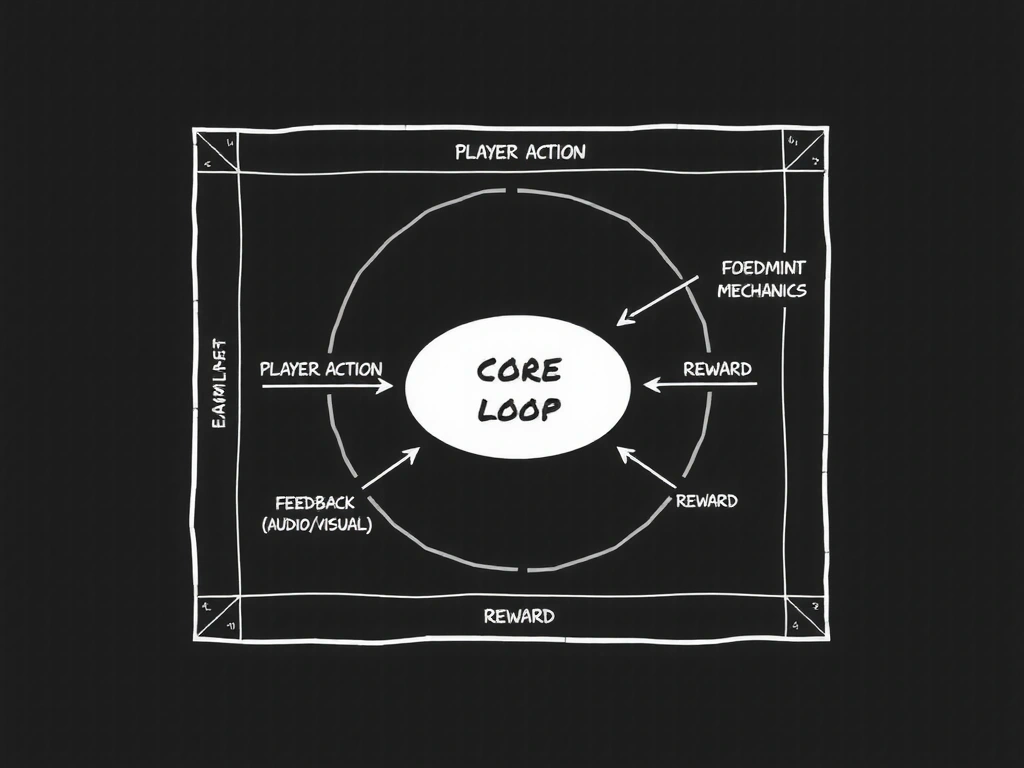
We begin not with pixels, but with verbs. Every game is a cycle of action and reaction. Mapping this "core loop" on a single diagram forces us to question the fun factor before a single line of code is written. This blueprint becomes our north star, referenced in every decision to come.
-
●
Mood Board Curation
A collage of reference images, color palettes, and audio snippets that define the game's emotional tone and visual language.
-
●
The One-Page Pitch
Distilling a 100-page concept into a single, compelling narrative hook for stakeholders, investors, and team members.
-
●
Risk Assessment Matrix
Side-by-side comparison of potential technical and market risks, with margin notes on mitigation strategies before development begins.
"A weak core loop can’t be saved by pretty art. We spend weeks refining the blueprint because it’s cheaper to fix a diagram than a finished game."
The Forge: Iterative Development & Prototyping
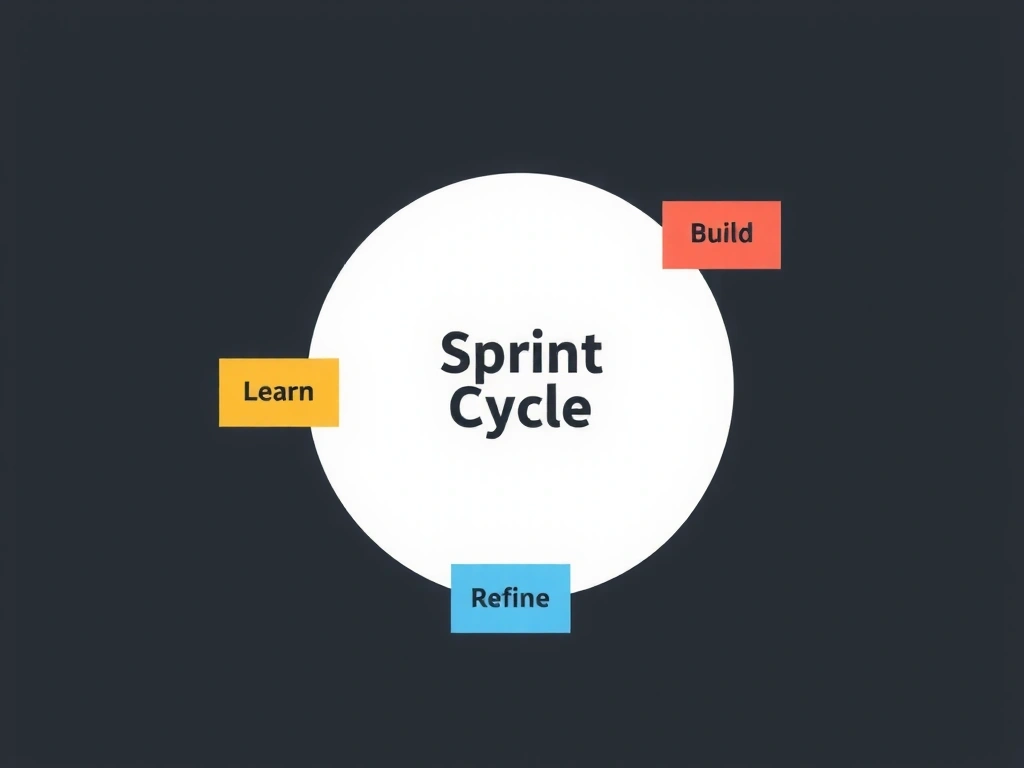
2-Week Sprint Rhythm
Build the feature. Test it with players. Learn from data. Refine the loop. Repeat.
Prototype Evolution
From grey-box blockouts to vertical slices, each iteration is a visual and functional leap forward.
User Test Log
Real player feedback drives real change. See how a mechanic was altered based on session data.
The Ledger
A transparent look at cut features, with the reason: scope, performance, or fun factor.
The Evidence: Constraints & Real-World Trade-offs
Assumptions & Constraints
- • Our process assumes a team of 3-5 core collaborators; it scales poorly for solo devs or massive studios.
- • Weekend playtests are non-negotiable for honest feedback, even if it delays a sprint.
- • Prototype visual fidelity is intentionally low to focus on function; high-fidelity art enters post-prototype.
What Would Change Our View
- → Hard evidence from playtests showing a 20%+ drop in task completion rate for a key mechanic.
- → A technical constraint (e.g., memory limit on target platform) that makes our current design impossible.
- → Feedback from a target player demographic that directly contradicts our initial core loop assumption.
Beat 1 (The Assumption): An indie studio is building a narrative puzzle game. They assume players will enjoy slow, methodical exploration. Their prototype is a maze-like environment with subtle environmental clues.
Beat 2 (The Constraint): First playtest sessions reveal a shared frustration: players get "lost" and disengage after 3 minutes. The core loop isn't rewarding fast enough. The team has a hard deadline for a festival submission.
Beat 3 (The Pivot): Based on this data, the team makes a trade-off: they cut 30% of the maze to reduce cognitive load and add a clearer "progression pulse" (audio/visual cues). The trade-off is less "puzzle depth" for more "player retention," a calculated bet for their target audience.
The Polish: Audio-Visual Synergy & Final Integration
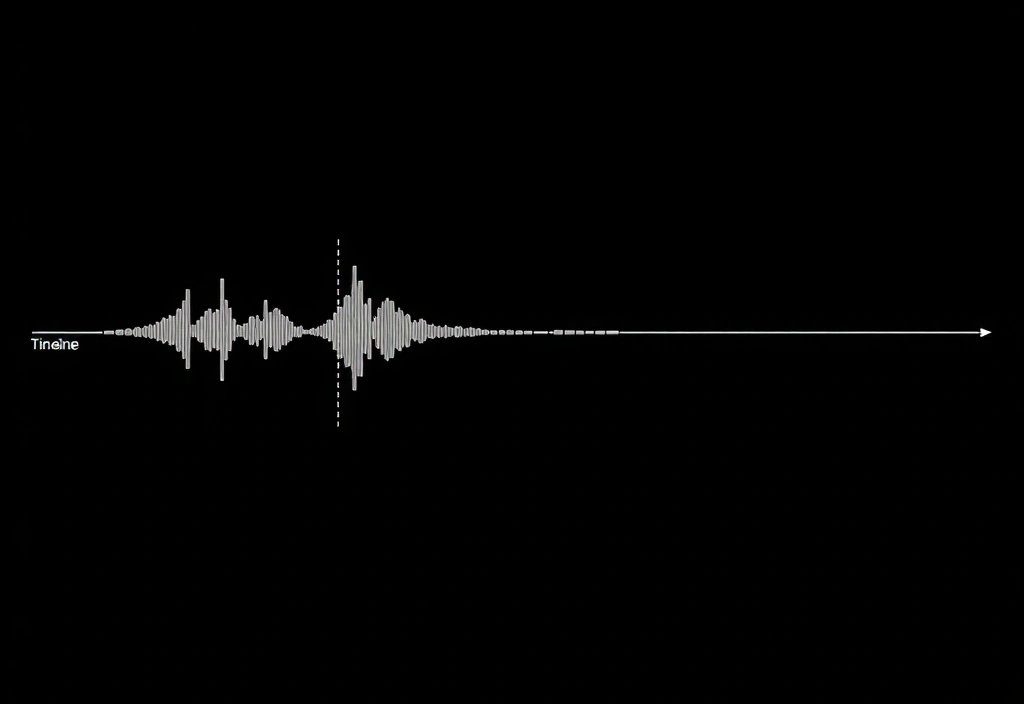
Sync Map: Tying sound to on-screen events.
Art Style Snippets
UI, sprites, and environments locked to a single style guide.
Performance Budget
Final QA Checklist (Sample)
Ready to Apply This Framework?
Whether you need a prototype developed from scratch or a health check on your current pipeline, our process is battle-tested. Let's discuss your project.
Studio Contact
Brandely Studio
Istiklal Caddesi No: 123, Beyoğlu, Istanbul, Turkey
+90 212 555 1234 | info@brandely.pro
Mon-Fri: 9:00-18:00 (TRT)